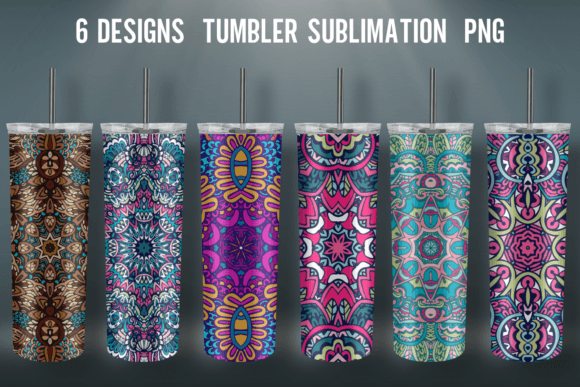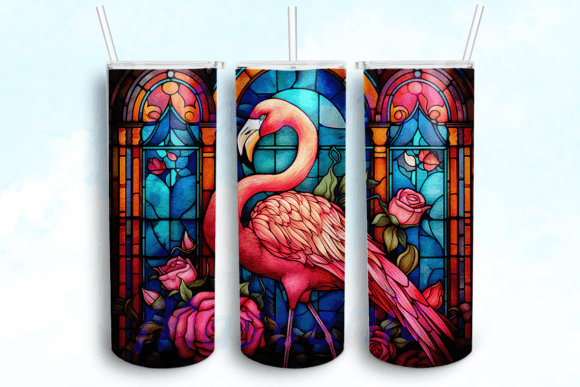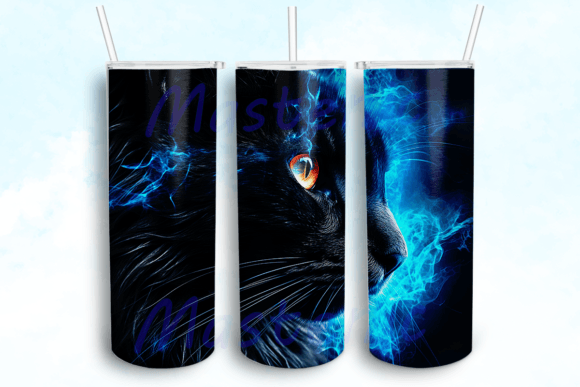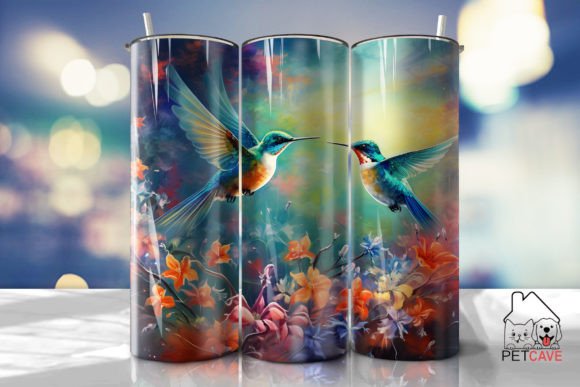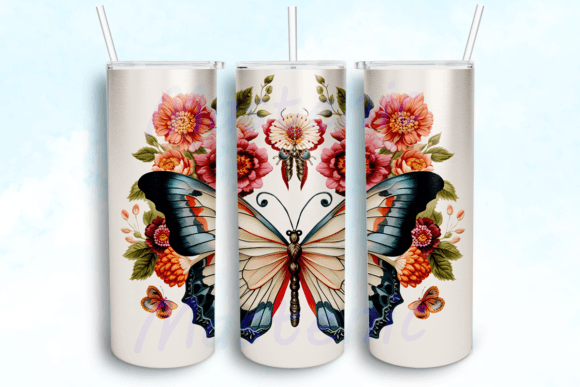
Boho Butterflies with Peonies Tumbler
As a designer who’s stitched hundreds of custom pieces—from boutique aprons to baby onesies and Etsy bestsellers—I opened Boho Butterflies with Peonies Tumbler expecting charm, but what stood out immediately was its quiet intentionality. This isn’t just a floral-and-fauna collage; it’s a balanced, breathing composition that leans into boho warmth without tipping into visual clutter. The butterflies float with gentle asymmetry, the peonies bloom with layered softness, and the overall shape—9.3″ x 8.2″—feels purpose-built for vertical rhythm, not just filler space.
I tested it first on a linen-cotton tea towel for a local gift shop launch. Why? Because tea towels live in high-visibility, high-wear spots—they’re functional *and* decorative. When stitched, Boho Butterflies with Peonies Tumbler held up beautifully: the satin-stitched petals retained dimension, the butterfly wings read clearly even at mid-distance, and the tapered PNG version helped wrap cleanly around the towel’s folded edge. Customers didn’t just comment on “how pretty it is”—they paused, traced the wing shapes with their fingers, and asked, “Is this hand-drawn?” That’s the mark of a design that feels human-made, not algorithmically assembled.
This design shines brightest where personality meets practicality: embroidered tote bags for farmers’ markets, relaxed-fit sweatshirts for small-batch apparel brands, and nursery pillow covers where softness and story matter equally. Its organic flow makes it ideal for curved surfaces—think the front panel of a structured cap or the rounded seam of a baby blanket—but only if you treat the curve thoughtfully. The tapered PNG file isn’t just a bonus; it’s your ally for maintaining proportion on non-flat substrates. I’ve seen too many lovely designs distort into smudged silhouettes on tumblers or curved seams—Boho Butterflies with Peonies Tumbler avoids that trap by giving you both layout options upfront.
That said, it’s not universally forgiving. On ultra-thin fabrics like rayon challis or lightweight voile, the fill stitch density (even when optimized) can cause puckering unless you pair it with a light cutaway stabilizer and reduce needle tension slightly. And while the design’s open negative space helps with breathability, dense clusters—like the center of the largest peony—deserve a test run on your actual fabric. I once stitched a near-identical motif on a stretchy bamboo jersey and learned the hard way: no amount of hooping finesse compensates for mismatched stabilizer choice. If you’re planning Boho Butterflies with Peonies Tumbler for baby onesies or fitted tees, go slow, use tear-away + topping, and check how the satin stitches lay after washing a sample.
For dark fabrics—charcoal sweatshirts, navy totes, black denim—it performs well, but only if you choose thread colors with enough contrast in both value *and* temperature. A cool-toned rose thread on black reads as deep plum, not blush; a warm gold on charcoal lifts the butterflies without shouting. Always mock it up digitally in grayscale first—not just for alignment, but to confirm silhouette clarity. What reads as delicate in color can vanish entirely in monochrome if line weight and spacing aren’t intentional. (Spoiler: this one passes that test.)
Where Boho Butterflies with Peonies Tumbler truly elevates a project is in perceived value. Handmade customers don’t just buy embroidery—they buy confidence, care, and curation. This design signals all three. It’s detailed enough to feel special, restrained enough to avoid overwhelming, and thematically cohesive enough to reinforce brand voice—whether you’re an Etsy seller building a botanical-themed shop or a craft fair vendor known for mindful, nature-rooted goods. I’ve used it as a focal point on holiday gift sets (embroidered tea towel + matching cotton pouch), and buyers consistently mention how “thoughtful” and “cohesive” the pairing feels—even though the pouch design was separate. That’s the power of a strong, adaptable anchor motif.
As a digital embroidery file, it sits comfortably in the Graphics category—but its strength lies in how well it translates *off-screen*. Unlike some overly intricate files that dazzle in preview but collapse under thread, this one respects stitch logic. There are no micro-details smaller than 1.5mm that’ll vanish in satin stitch, no overlapping elements that cause thread nesting, and no abrupt transitions between fill and outline that confuse machine timing. That makes it reliable for commercial embroidery runs, especially when consistency across dozens of items matters—like custom aprons for a café or personalized sweatshirts for a retreat center.
Before stitching your first client piece, do these five things: (1) Run a test on scrap fabric *with your exact stabilizer and thread*, (2) Check how the straight vs. tapered PNG behaves on your intended product shape, (3) Review stitch density in your editing software—if it’s over 18,000 stitches, consider simplifying outer leaves or wing veins, (4) Confirm hoop size compatibility—this layout fits comfortably in a 5x7, but pushes the edge of a 4x4, so plan accordingly, and (5) Verify licensing terms. Since this listing specifies it’s for use on 20oz skinny tumblers—and includes only PNGs—confirm whether commercial resale of finished embroidered goods is permitted under the license before listing on Etsy or wholesale channels.
One last note: Boho Butterflies with Peonies Tumbler works hardest when paired with restraint. Let it breathe. Don’t crowd it with text, borders, or secondary motifs unless they echo its organic line quality. On a kitchen towel? Leave the top third blank. On a tote bag? Center it low, letting the handles frame it naturally. In a craft business, sometimes the most powerful design decision is knowing when *not* to add more.
If you’re choosing embroidery design assets for real projects—not just pretty previews—this one earns its place in your working library. It’s not flashy. It doesn’t scream. But it delivers, quietly and consistently, across baby embroidery, holiday embroidery, custom apparel, and small shop merchandise. And in handmade work, that kind of quiet reliability? That’s the detail your customers feel, even if they can’t name it.