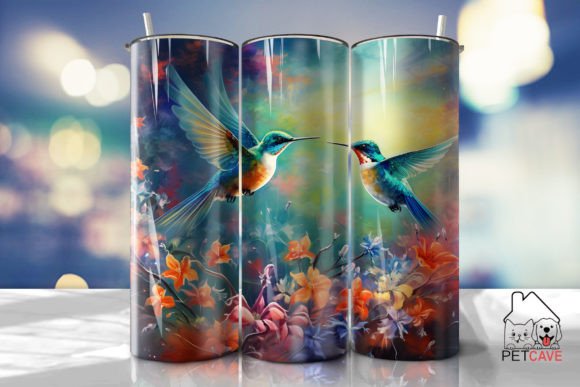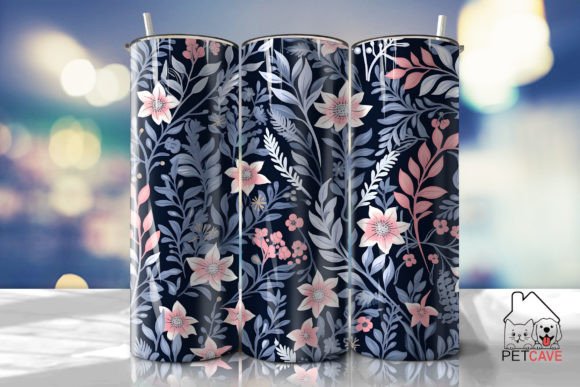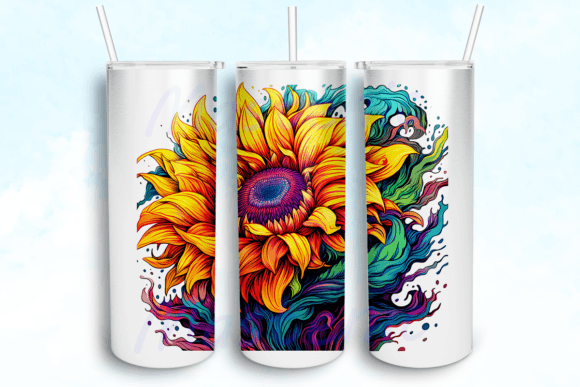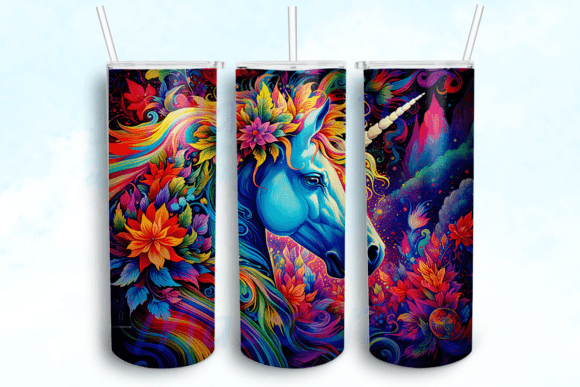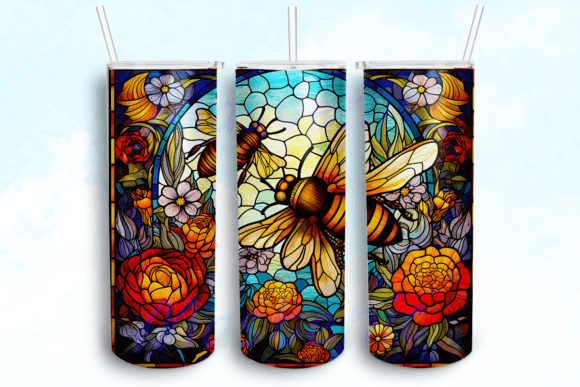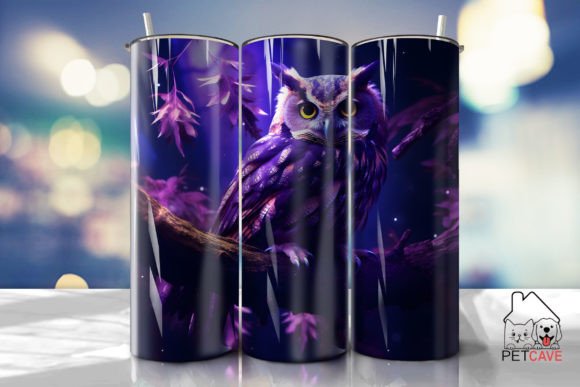
Owl Purple Tumbler 20oz
First Impressions: A Whimsical, Cohesive Silhouette That Feels Handmade—Not Stock
When I opened the Owl Purple Tumbler 20oz ZIP file, what stood out immediately wasn’t just the color or theme—it was the intentionality in the shape. The owl isn’t overly detailed or fussy; it’s confident in its outline, with soft tapering wings and a gentle curve to the tumbler base that suggests dimension without demanding photorealism. The purple palette feels rich but grounded—not neon, not dusty—so it translates well across fabric tones. As an embroidery designer who regularly tests graphics for real-world stitchability, I appreciated how the design avoids micro-details (no tiny claws, no layered feather textures) while still carrying strong visual personality. It reads clearly at 4–5 inches tall, which means it’ll hold up beautifully on a tote bag, a baby onesie, or a kitchen towel—without needing aggressive digitizing.
Where This Design Truly Shines: Real Projects, Not Just Mockups
Last week, I prepped a small batch of embroidered cotton aprons for a local café’s staff launch—and Owl Purple Tumbler 20oz was my top pick for the left-chest placement. Why? Because it landed perfectly between playful and professional. On medium-weight woven cotton, the tapered PNG version gave me clean, smooth curves around the apron’s rounded pocket edge. The straight version worked better on a structured sweatshirt front, where vertical alignment mattered more than contouring. I also tested it as a standalone embroidered patch on twill fabric—heat-applied to denim jackets—and customers commented on how “friendly” and “uncluttered” it felt compared to busier animal motifs. For Etsy sellers or boutique owners building a cohesive seasonal line, this design supports branding without shouting: it fits nursery decor, teacher appreciation gifts, or even subtle holiday mugs (embroidered onto fabric sleeves).
What Works Well Across Common Embroidery Use Cases
- Custom apparel: Holds clarity on midweight cotton and fleece—especially when paired with a light tear-away stabilizer.
- Tote bag design: Scales cleanly from 6” to 9”; the tapered version wraps naturally over curved handles.
- Baby embroidery: Soft edges and moderate size make it ideal for onesies and burp cloths—no sharp corners or dense fill areas that could irritate sensitive skin.
- Holiday embroidery: Swap thread colors to sage green or deep plum for fall/winter collections—its silhouette stays legible.
- Commercial embroidery: Clean lines reduce re-hooping time, and consistent proportions help maintain quality across 50+ units.
Where to Proceed Thoughtfully—Not Every Fabric or Format Is Equal
This isn’t a one-size-fits-all machine embroidery design. Its 9.3” x 8.2” footprint means it’s best suited for larger hoop sizes—think 5x7” minimum, ideally 6x10” or larger for comfortable margin and stabilizer coverage. On stretchy knits like jersey or thin rayon blends, I recommend basting + cut-away stabilizer underneath to prevent puckering, especially along the owl’s rounded head and tumbler base. Dark fabrics demand careful thread color testing: purple thread can mute on navy or charcoal unless you choose a slightly brighter violet or add a white underlay. And while the design avoids fine lettering or intricate linework, the inner eye detail is small enough that it may blur on textured fabrics like heavy canvas or looped terry cloth—so always test on scrap first.
Design Judgment That Builds Trust—With Customers and Your Brand
As a craft business owner, I know customers don’t just buy an owl—they buy confidence in craftsmanship. Owl Purple Tumbler 20oz delivers that quietly: it’s balanced, scalable, and visually resolved. When stitched cleanly, it elevates a simple sweatshirt into a personalized gift; on a tea towel, it reads as intentional, not slapped-on. That kind of consistency builds repeat buyers. But here’s what matters most: this is a digital embroidery file, not a pre-digitized machine embroidery design. You’ll need to digitize it yourself—or work with a digitizer—before stitching. That means reviewing stitch density, underlay strategy, and jump stitch placement. Don’t skip that step, especially if you’re selling finished products commercially.
Practical Designer Notes Before You Stitch
- Test both the straight and tapered PNGs on your most common fabric + stabilizer combo.
- Check contrast in black-and-white mockups—some purples lose definition on heather gray or oatmeal fabrics.
- Confirm licensing terms before listing on Etsy or using in client work—this is a Graphics asset, not automatically cleared for resale.
- For baby items or frequently washed products (like kitchen towels), use high-quality polyester thread and lock stitches at start/end.
- Compare how the owl reads on light vs. dark backgrounds—you may need two thread palettes.
- Always inspect small details post-digitizing: the eye, beak curve, and tumbler rim should retain shape at your target size.
Final Thought: A Thoughtful Asset for Intentional Makers
Owl Purple Tumbler 20oz won’t wow with complexity—but it doesn’t need to. In the Crafts space, where authenticity and clarity matter more than flash, it’s exactly the kind of design that makes your handmade product feel considered, not generic. Whether you're an Etsy seller batching personalized gifts, a small shop owner curating boutique merchandise, or a designer building a library of reliable embroidery project assets, this graphic earns its place—not because it’s trendy, but because it’s functional, flexible, and quietly distinctive. Just remember: great embroidery starts long before the needle drops. Test, refine, and let the design serve the product—not the other way around.